What Is Hair Restoration Surgery?
Hair restoration surgery is a medical procedure designed to treat hair loss and baldness by transplanting healthy hair follicles to thinning or bald areas of the scalp. This surgical solution helps restore natural hair growth, improving appearance and self-esteem.
Common Causes of Hair Loss
Hair loss can result from genetics (male or female pattern baldness), hormonal changes, aging, medical conditions, or trauma. Hair restoration surgery offers an effective solution for many of these causes.
Types of Hair Restoration Procedures
Follicular Unit Transplantation (FUT): Also known as strip harvesting, this method involves removing a strip of scalp from the donor area, dissecting it into individual follicular units, and implanting them into thinning areas.
Follicular Unit Extraction (FUE): A minimally invasive technique where individual hair follicles are extracted directly from the donor area and transplanted to the recipient site.
Robotic Hair Transplant: Uses advanced robotics to assist in follicle extraction and implantation for precision and reduced recovery time.
Benefits of Hair Restoration Surgery
Natural-looking and permanent hair growth
Minimally invasive with modern techniques
Improved self-confidence and appearance
Customized treatment plans tailored to individual hair loss patterns
The Procedure
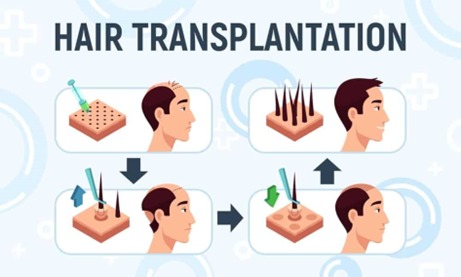
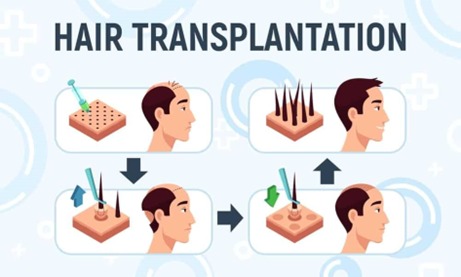
Hair restoration surgery is typically performed under local anesthesia. The process includes harvesting hair follicles from a donor area (usually the back or sides of the scalp), preparing the recipient site, and carefully implanting the follicles. Procedures can last several hours depending on the extent of transplantation.
Recovery and Aftercare
Post-surgery, patients may experience mild swelling, redness, or scabbing. Proper aftercare includes gentle scalp washing, avoiding strenuous activities, and following the surgeon’s guidelines. Hair growth typically begins within a few months, with full results visible after 9 to 12 months.
Risks and Considerations
Hair restoration surgery is generally safe but may involve risks such as infection, scarring, or unnatural-looking results if not performed by an experienced surgeon. Choosing a qualified hair restoration specialist is crucial for optimal outcomes.
Final Thoughts
Hair restoration surgery offers a reliable and effective solution for those experiencing hair loss, providing natural, lasting results. Consult a hair restoration expert to discuss the best options tailored to your needs.