
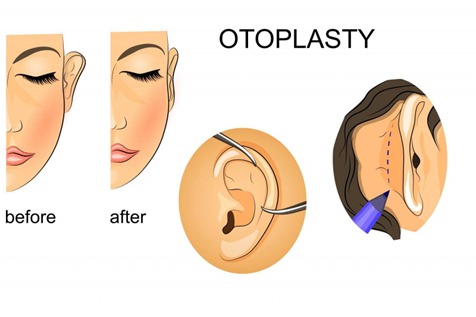
What Is Ear Surgery (Otoplasty)?
Ear surgery, medically known as otoplasty, is a cosmetic procedure aimed at reshaping, resizing, or repositioning the ears. It is commonly performed to correct protruding ears, asymmetry, or deformities caused by injury or congenital conditions.
Who Can Benefit from Ear Surgery?
Otoplasty is suitable for:
Children (usually after age 5) and adults with prominent or misshapen ears
Individuals seeking improved ear symmetry
People wanting to correct ear deformities or injuries
Those in good health with realistic expectations
Benefits of Ear Surgery
Improved ear shape and position
Balanced facial proportions
Increased self-confidence and comfort in social settings
Permanent results with minimal visible scarring
The Procedure
Ear surgery is typically performed under local anesthesia with sedation or general anesthesia, depending on the patient’s age and preference. The surgeon makes incisions behind the ear to access the cartilage, which is then reshaped and secured. Excess skin may be removed before closing the incision.
Recovery Process
Recovery is usually quick, with most patients returning to normal activities within 1 to 2 weeks. Swelling and mild discomfort are common initially but subside with time. Patients are advised to avoid pressure on the ears and wear protective headbands as recommended.
Risks and Considerations
While generally safe, otoplasty carries risks such as infection, bleeding, scarring, or asymmetry. Choosing a board-certified plastic surgeon and following aftercare instructions ensures the best outcome.
Final Thoughts
Ear surgery is an effective way to enhance ear appearance and boost self-esteem. If you or your child are bothered by prominent or misshapen ears, consult a qualified plastic surgeon to explore your options.