
Understanding Varicose Veins
Varicose veins are enlarged, twisted veins most commonly found in the legs. They occur when vein valves weaken or fail, causing blood to pool and veins to swell. This condition can lead to discomfort, swelling, and visible bulging veins, impacting both health and confidence.
Causes and Symptoms
Varicose veins develop due to increased venous pressure often caused by prolonged standing, obesity, pregnancy, aging, or genetic factors. Symptoms include:
Bulging, twisted veins visible under the skin
Leg heaviness, aching, or cramps
Swelling and itching around affected veins
Skin discoloration or ulcers in severe cases
When Is Surgery Recommended?
Surgical treatment is usually considered when conservative methods such as compression stockings, exercise, or lifestyle changes fail to relieve symptoms. Surgery can also be necessary to prevent complications like ulcers or blood clots.
Common Varicose Vein Surgeries
Vein Stripping and Ligation: Removal of damaged veins through small incisions.
Endovenous Laser Therapy (EVLT): Minimally invasive laser treatment that seals faulty veins.
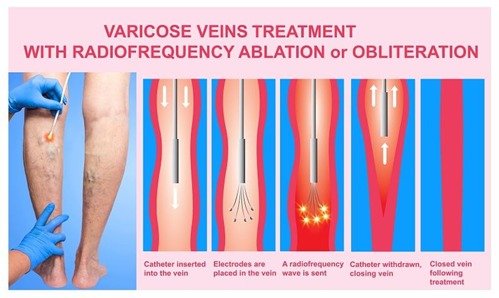
Radiofrequency Ablation (RFA): Uses heat energy to close varicose veins.
Ambulatory Phlebectomy: Extraction of superficial varicose veins via tiny punctures.
These procedures improve blood flow by redirecting blood through healthy veins, reducing symptoms and enhancing leg appearance.
Benefits of Surgery
Effective relief from pain, swelling, and heaviness
Reduction in visible bulging veins for cosmetic improvement
Prevention of serious complications such as ulcers and thrombosis
Minimally invasive options with faster recovery times
Recovery and Aftercare
Recovery varies depending on the procedure but generally involves wearing compression stockings, avoiding strenuous activity, and elevating legs. Most patients resume normal activities within days to weeks. Regular follow-ups ensure optimal healing and monitor for recurrence.
Risks and Considerations
While generally safe, varicose vein surgery carries risks such as infection, bruising, nerve injury, or vein recurrence. Choosing a board-certified vascular surgeon and adhering to postoperative care guidelines significantly reduce these risks.
Conclusion
Varicose veins can cause discomfort and affect quality of life, but modern surgical techniques offer effective, lasting solutions. If you experience symptoms or are concerned about the appearance of your veins, consult a vascular specialist to explore the best treatment options tailored to your needs.