
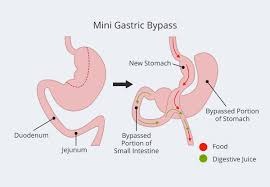
Mini Gastric Bypass (MGB): A Comprehensive Guide to Weight Loss Surgery
What Is Mini Gastric Bypass Surgery?
Mini Gastric Bypass (MGB) is a modern, minimally invasive weight loss surgery designed to help individuals struggling with obesity achieve significant and long-term weight reduction. Often considered a simpler alternative to traditional Roux-en-Y gastric bypass, MGB combines restriction and malabsorption to promote effective weight loss.
Keywords: mini gastric bypass, weight loss surgery, bariatric surgery, MGB procedure, obesity treatment
How Does Mini Gastric Bypass Work?
The procedure involves two main steps:
Stomach Reduction: A small tube-like pouch is created from the upper portion of the stomach. This restricts the amount of food the patient can consume, promoting early satiety.
Bypassing the Intestine: A portion of the small intestine is bypassed (usually around 150–200 cm from the start), reducing calorie and nutrient absorption.
This dual mechanism ensures faster and more sustainable weight loss compared to diet and exercise alone.
Benefits of Mini Gastric Bypass Surgery
Mini gastric bypass offers numerous advantages, including:
Significant Weight Loss: Most patients lose 60–80% of their excess body weight within 1–2 years.
Shorter Operation Time: Compared to Roux-en-Y, the MGB procedure is quicker and involves fewer intestinal connections.
Lower Risk of Complications: Reduced surgical complexity means fewer risks during and after the operation.
Reversible & Revisable: The procedure can be reversed or revised if necessary.
Improved Health Conditions: Many patients experience remission of type 2 diabetes, sleep apnea, high blood pressure, and more.
SEO Tip: Use internal links to related pages such as “Benefits of Bariatric Surgery” or “Our Weight Loss Programs”.
Who Is a Good Candidate for MGB?
Mini gastric bypass is suitable for individuals who:
Have a Body Mass Index (BMI) of 35 or higher
Struggle with obesity-related health conditions (e.g., diabetes, hypertension)
Have not achieved desired results with diet, exercise, or medication
Are committed to making long-term lifestyle changes
A detailed medical evaluation and consultation with a bariatric surgeon are essential before undergoing the procedure.
What to Expect: Recovery and Lifestyle Changes
Post-Surgery Recovery
Hospital stay is usually 1–2 days
Most patients return to daily activities within 1–2 weeks
A gradual diet progression from liquids to solid foods is followed
Long-Term Lifestyle
Lifelong commitment to healthy eating
Regular vitamin and mineral supplementation
Follow-up visits with your medical team
Keywords: mini gastric bypass recovery, post-op diet, life after bariatric surgery
Risks and Considerations
While MGB is generally safe, as with any surgery, it carries some potential risks:
Bile reflux
Nutrient deficiencies
Dumping syndrome
Need for revision surgery in rare cases
A comprehensive preoperative assessment can help minimize these risks.
Mini Gastric Bypass vs Roux-en-Y Gastric Bypass
|
Feature |
Mini Gastric Bypass |
Roux-en-Y Gastric Bypass |
|
Surgical Time |
Shorter |
Longer |
|
Complexity |
Simpler |
More Complex |
|
Risk of Complications |
Lower |
Slightly Higher |
|
Reversibility |
Easier |
More Difficult |
|
Weight Loss Results |
Similar |
Similar |
Related Search Terms: MGB vs gastric bypass, best bariatric surgery options
Why Choose Us for Mini Gastric Bypass?
At [Your Clinic Name], we offer:
Experienced bariatric surgeons
State-of-the-art surgical facilities
Personalized weight loss programs
Ongoing nutritional and psychological support
Start your journey toward a healthier life today. Book a free consultation to learn more about how Mini Gastric Bypass can transform your life.
Frequently Asked Questions (FAQs)
❓ Is Mini Gastric Bypass permanent?
MGB is intended as a long-term solution, but it can be reversed if medically necessary.
❓ How long is the surgery?
The procedure typically takes 60 to 90 minutes, depending on the patient’s condition.
Will I need supplements after MGB?
Yes, lifelong vitamin and mineral supplements are necessary to avoid deficiencies.
Conclusion
Mini Gastric Bypass is an effective, safe, and increasingly popular weight loss surgery that offers life-changing results for those battling obesity. With proper medical care, lifestyle changes, and ongoing support, patients can achieve and maintain a healthier weight and improved overall well-being.