
Gastric Bypass Surgery (Roux-en-Y): A Complete Guide for Weight Loss
What Is Gastric Bypass Surgery?
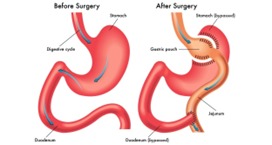
Gastric bypass surgery, also known as Roux-en-Y gastric bypass, is one of the most effective and commonly performed bariatric surgeries in the world. It works by reducing the size of your stomach and rerouting a portion of the digestive system, leading to both restriction of food intake and reduced calorie absorption.
This dual mechanism makes gastric bypass an excellent long-term solution for individuals suffering from severe obesity and obesity-related health conditions.
How Does Gastric Bypass Work?
Gastric bypass involves two main steps:
Stomach Reduction:A small pouch is created at the top of the stomach, reducing the stomach size from about 1.5 liters to just about 30 ml. This limits the amount of food you can eat.
Bypassing the Small Intestine:The small intestine is divided, and a portion is connected directly to the new stomach pouch. This bypasses the upper part of the small intestine (duodenum and part of the jejunum), resulting in reduced calorie and nutrient absorption.
Who Is a Candidate for Gastric Bypass Surgery?
Gastric bypass is recommended for individuals who:
Have a BMI of 40 or higher
Have a BMI of 35 or higher with obesity-related conditions such as type 2 diabetes, hypertension, or sleep apnea
Have been unable to lose weight through diet, exercise, and medications
Are committed to making lifelong changes in diet and lifestyle
Are physically and mentally fit for surgery
Benefits of Gastric Bypass Surgery
✅ Significant and Long-Lasting Weight LossMost patients lose 65–80% of their excess weight within 12–18 months.
✅ Improvement or Resolution of Health IssuesGastric bypass can resolve or significantly improve conditions like:
Type 2 diabetes
High blood pressure
High cholesterol
Obstructive sleep apnea
Joint pain and arthritis
✅ Reduced Hunger and AppetiteHormonal changes after surgery can help reduce cravings and improve blood sugar control.
✅ Improved Quality of LifeIncreased mobility, higher energy levels, and better mental health are commonly reported.
Risks and Potential Complications
While gastric bypass is generally safe, as with any major surgery, there are risks to consider:
Infection or bleeding
Blood clots
Leaks from surgical connections
Nutrient deficiencies (iron, calcium, vitamin B12, folate)
Dumping syndrome (rapid gastric emptying causing nausea, vomiting, diarrhea)
Gallstones
Stomach ulcers
Working with an experienced bariatric team and following post-op guidelines can significantly reduce these risks.
Post-Operative Diet and Recovery
Hospital Stay:
2–3 days
Recovery Time:
2–4 weeks before returning to normal activities
Diet Phases After Surgery:
Clear liquids (first few days)
Full liquids and protein shakes (1–2 weeks)
Soft, pureed foods (weeks 3–4)
Solid foods (after week 5+)
✅ Patients must commit to lifelong dietary changes and vitamin supplementation to avoid nutritional deficiencies.
Gastric Bypass vs. Other Bariatric Surgeries
|
Procedure |
Restricts Food |
Reduces Absorption |
Weight Loss |
Reversible |
|
Gastric Bypass |
✅ Yes |
✅ Yes |
65–80% |
❌ No |
|
Gastric Sleeve |
✅ Yes |
❌ No |
60–70% |
❌ No |
|
Gastric Band |
✅ Yes |
❌ No |
40–50% |
✅ Yes |
Is Gastric Bypass Right for You?
Choosing gastric bypass surgery is a life-changing decision. It offers powerful results, but also requires lifelong commitment to:
Healthy eating habits
Regular physical activity
Routine medical follow-ups
Vitamin and mineral supplements
If you're ready to transform your life and overcome obesity, gastric bypass may be the right choice.
Frequently Asked Questions (FAQ)
1. How much weight can I lose after gastric bypass surgery?Most patients lose 65–80% of their excess weight within 12 to 18 months.
2. Is gastric bypass surgery permanent?Yes, it is irreversible, as it involves removing and rerouting parts of the stomach and intestine.
3. Will I need to take vitamins after surgery?Yes, lifelong vitamin and mineral supplements are essential to avoid nutritional deficiencies.
4. How long is recovery?Most people return to work within 2–4 weeks, depending on their health and job type.
5. Is gastric bypass covered by insurance?In many countries, yes, but coverage depends on your insurance provider and individual health conditions.
Conclusion
Gastric bypass surgery is a highly effective, long-term solution for individuals battling severe obesity and related health issues. It combines food restriction and reduced absorption to deliver dramatic results in weight loss and overall health improvement.
By choosing a skilled bariatric surgeon and following post-operative guidelines, you can experience life-changing benefits.