
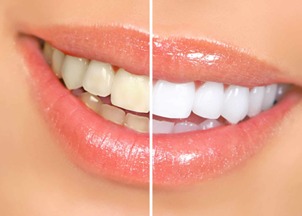
What is Teeth Whitening?
Teeth whitening is a popular cosmetic dental procedure designed to lighten the color of teeth and remove stains or discoloration. It is one of the most sought-after dental treatments worldwide, offering a quick and effective way to enhance your smile’s appearance.
Whitening treatments can be performed at home or professionally by a dentist, using various techniques and products.
Causes of Tooth Discoloration
Several factors can cause teeth to lose their natural whiteness, including:
Consumption of staining foods and drinks (coffee, tea, red wine, berries)
Tobacco use (smoking or chewing)
Poor dental hygiene
Aging (enamel thins, revealing yellow dentin)
Certain medications (antibiotics like tetracycline)
Trauma or tooth injury
Excessive fluoride exposure
Types of Teeth Whitening Methods
1. In-Office Professional Whitening
Performed by dentists using high-concentration bleaching agents like hydrogen peroxide or carbamide peroxide, professional whitening offers fast, dramatic results often in just one session. Laser or light-activated systems may be used to accelerate the process.
2. At-Home Whitening Kits (Dentist-Provided)
Custom trays and professional-grade whitening gels prescribed by dentists can be used at home over a period of days or weeks. These kits are safer and more effective than over-the-counter alternatives.
3. Over-the-Counter Whitening Products
These include whitening strips, gels, toothpaste, and rinses available in pharmacies. While convenient and affordable, they usually provide less significant results and take longer to show effects.
4. Natural Whitening Remedies
Some people use baking soda, activated charcoal, or oil pulling for mild whitening effects. However, these methods lack scientific validation and can sometimes damage enamel if used improperly.
Benefits of Teeth Whitening
✅ Enhances your smile and boosts confidence✅ Removes stains caused by diet and lifestyle✅ Non-invasive and painless procedure✅ Quick results, especially with professional treatments✅ Can complement other cosmetic dental treatments
How Long Does Teeth Whitening Last?
Results vary depending on lifestyle and oral habits, but typically:
Professional whitening: 6 months to 2 years
At-home kits: Several months
Over-the-counter products: Shorter duration
To maintain results, avoid stain-causing foods and drinks and practice good oral hygiene.
Risks and Side Effects
Teeth whitening is generally safe when done correctly, but some may experience:
Tooth sensitivity (temporary and manageable)
Gum irritation from bleaching agents
Uneven whitening, especially if dental restorations are present
Overuse can weaken enamel
Consult your dentist before whitening, especially if you have dental restorations, gum disease, or sensitive teeth.
Teeth Whitening Aftercare Tips
Avoid staining foods and beverages (coffee, tea, red wine, berries) for at least 48 hours post-treatment
Don’t smoke or use tobacco products
Maintain excellent oral hygiene—brush twice daily and floss regularly
Use whitening toothpaste for maintenance
Schedule regular dental cleanings
Who Should Avoid Teeth Whitening?
Pregnant or breastfeeding women (due to limited safety data)
Children under 16
Individuals with severe dental problems (cavities, gum disease)
People with hypersensitive teeth or allergies to whitening agents
Conclusion
Teeth whitening is a safe and effective way to rejuvenate your smile and enhance your confidence. With various options available, from professional treatments to at-home kits, everyone can find a solution that fits their needs and budget. Always consult with your dentist to choose the best and safest whitening method for your teeth.